Verdict: match the machine to the room, and buy the drain hose — every pick below takes one. Sizing is the whole game with dehumidifiers: a small unit in a big damp basement runs forever and never catches up, while an oversized one in a bedroom just wastes electricity. Our picks cover the full range — a max-capacity 80-pint whole-basement unit from AEOCKY ($249.97), the massively well-reviewed Waykar 34-pint for mid rooms (22,613 public ratings), and three more from KNKA, DREO and SEMKAP so you can buy the right size from whichever maker fits your budget.
| Rank | Pick | Capacity | Coverage | Price | Amazon rating | |
|---|---|---|---|---|---|---|
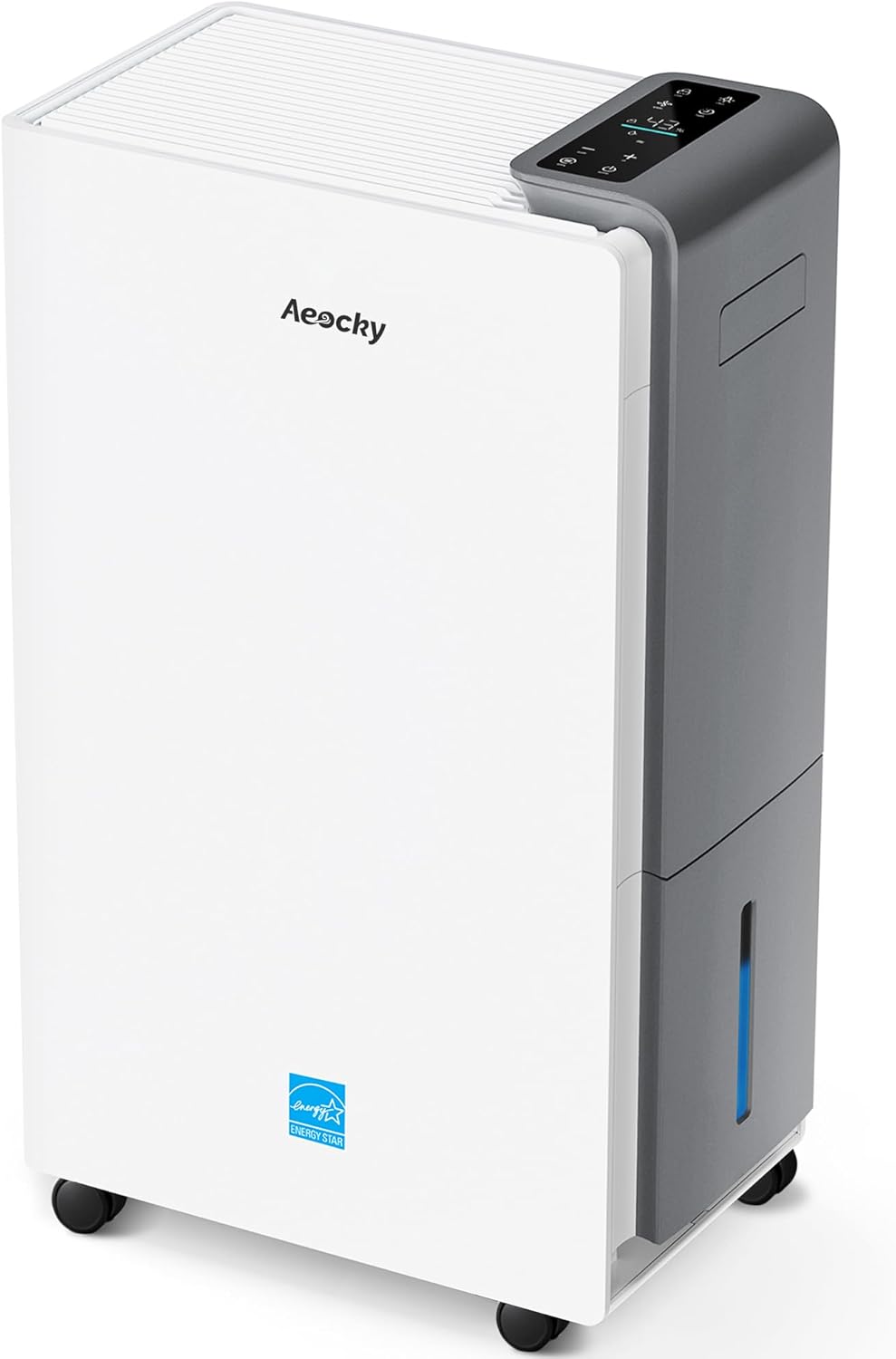
| #1 | AEOCKY 5500 Sq.Ft Energy Star Dehumidifier — 80 Pint | 80 Pint/day | Up to 5,500 sq ft | $249.97 | 4.5★ (7,051) | Buy → |
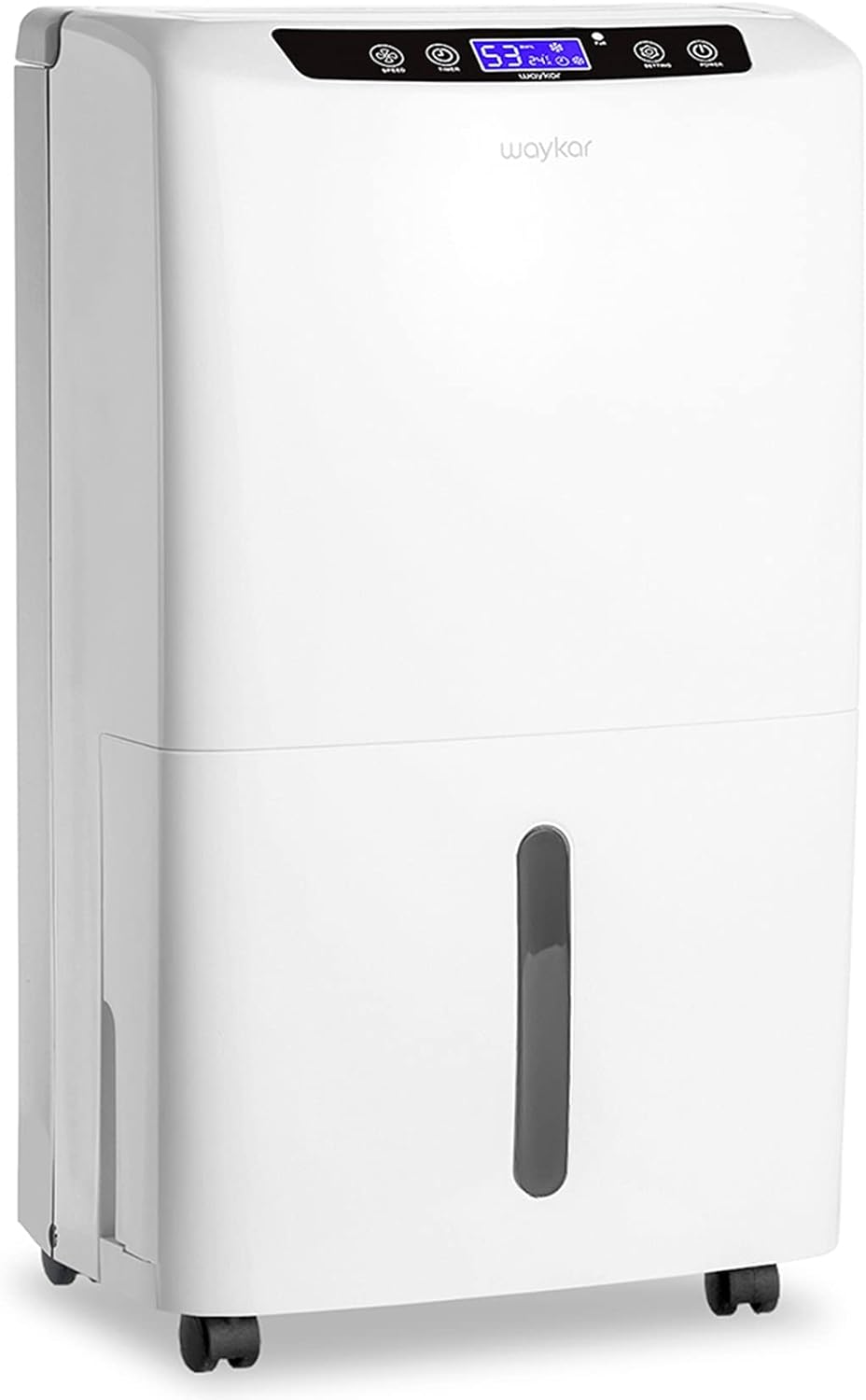
| #2 | Waykar 34 Pint 2000 Sq. Ft Energy Star Dehumidifier | 34 Pint/day | Up to 2,000 sq ft | $175.99 | 4.3★ (22,613) | Buy → |
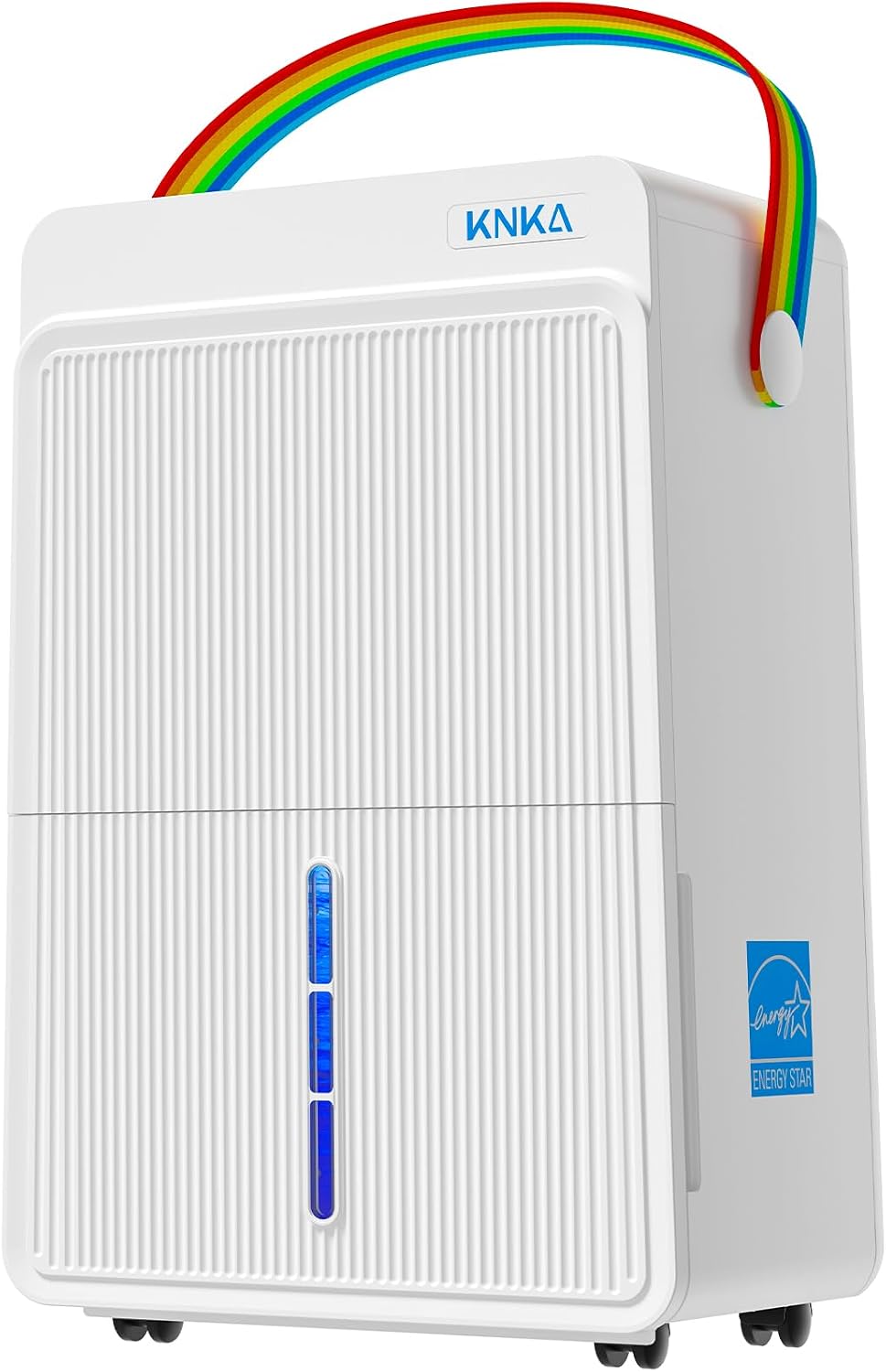
| #3 | KNKA Energy Star 5500 Sq.Ft Dehumidifier — Max 80 Pint | 80 Pint/day | Up to 5,500 sq ft | $222.22 | 4.4★ (1,185) | Buy → |
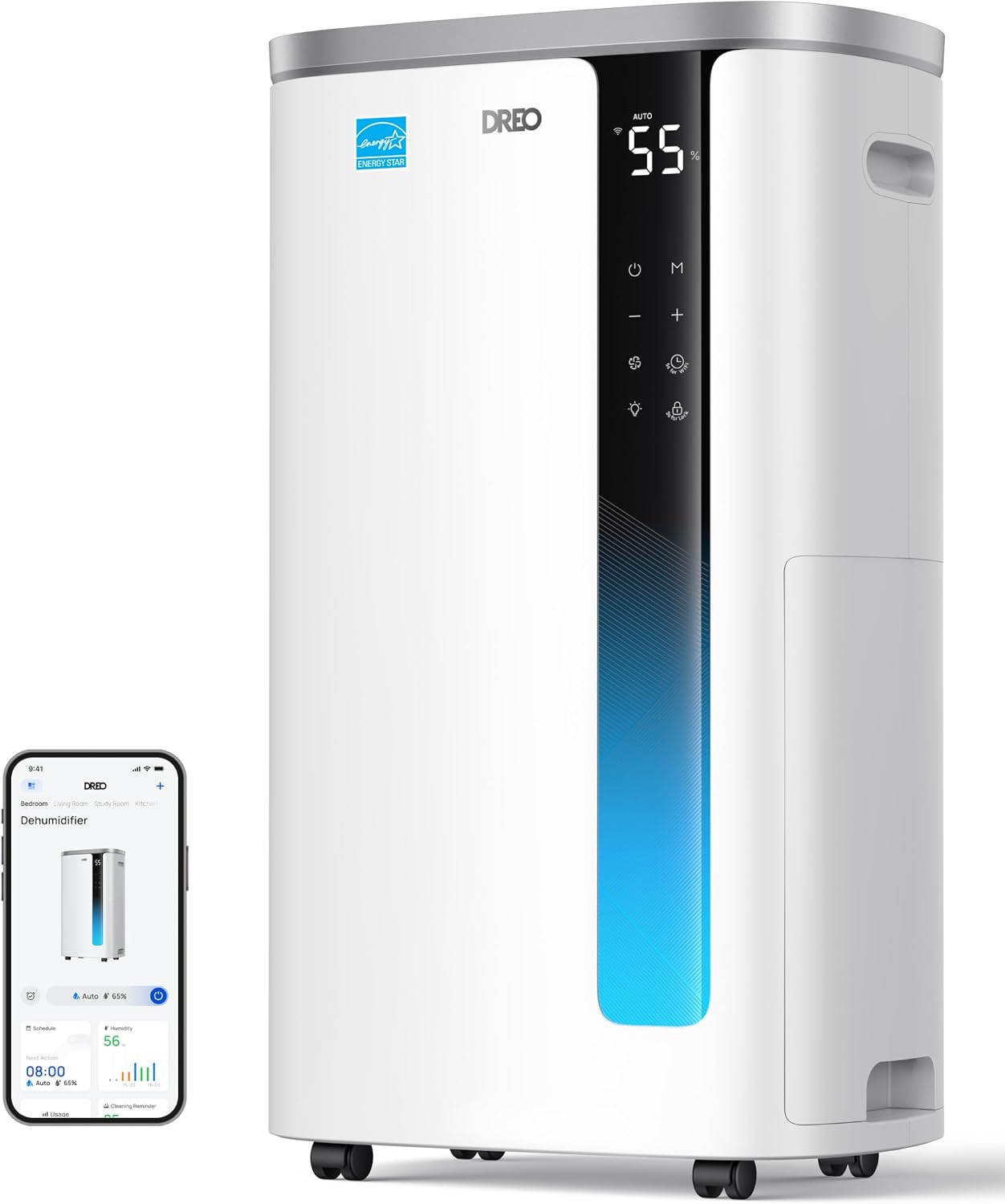
| #4 | DREO Energy Star 2025 Smart Dehumidifier for Basement | Smart control | Basement-sized | $279.99 | 4.3★ (260) | Buy → |
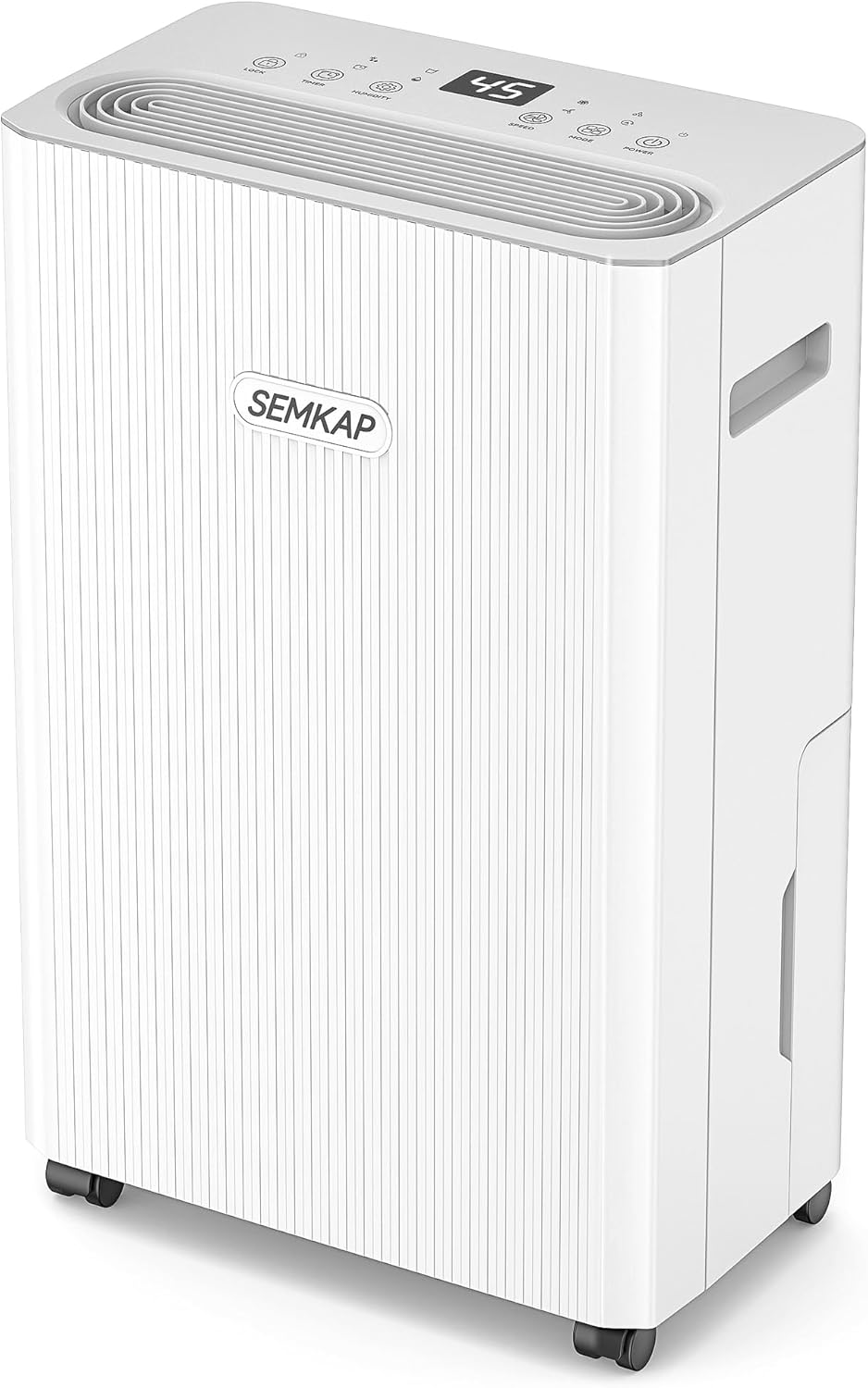
| #5 | SEMKAP 2500 Sq.Ft Dehumidifier — Max 32 Pint with Drain Hose | 32 Pint/day | Up to 2,500 sq ft | $159.89 | 4.0★ (633) | Buy → |
Every price is what Amazon showed at our last check (October 2026); the Buy buttons show the live price. One deliberate choice to know about: each pick comes from a different maker. These five brands compete directly in the same category — we picked the strongest listing from each so you can choose on size and price without wondering whether we just reshuffled one brand's lineup.
How to size a dehumidifier without guessing
Step 1 · Coverage
Measure (or estimate) the square footage of the space. 2,000–2,500 sq ft covers most finished basements and open floor areas; 5,000+ sq ft ratings are for whole-floor or very damp walkout basements. When in doubt, size up — a bigger unit cycles off more often and runs quieter overall.
Step 2 · Extraction (pints per day)
Rated capacity assumes standard test conditions; very humid or cool spaces cut real output. If your space smells musty, shows condensation on windows, or sits below grade, take the next capacity class up — that is why our large-space picks top out at 80 pints/day rather than the minimum.
Step 3 · Drainage decides your daily life
Tank units stop when full and wait for you. A drain-hose hookup (all five picks support one) empties continuously into a floor drain or sump — for basements this is the difference between "set it and forget it" and climbing stairs twice a day in July.
The picks
#1 pick
AEOCKY 5500 Sq.Ft Energy Star Dehumidifier — 80 Pint
- Energy Star Most Efficient 2025
- Up to 80 pints/day
- Covers up to 5,500 sq ft
#2 pick
Waykar 34 Pint 2000 Sq. Ft Energy Star Dehumidifier
- Energy Star 2025
- 34 pints/day
- Covers up to 2,000 sq ft
#3 pick
KNKA Energy Star 5500 Sq.Ft Dehumidifier — Max 80 Pint
- Energy Star
- Max 80 pints/day
- Covers up to 5,500 sq ft
#4 pick
DREO Energy Star 2025 Smart Dehumidifier for Basement
- Energy Star 2025
- Smart app control
- 1.85 gal water tank
#5 pick
SEMKAP 2500 Sq.Ft Dehumidifier — Max 32 Pint with Drain Hose
- Up to 32 pints/day
- Covers up to 2,500 sq ft
- Drain hose included
Running one well
Close windows in the treated space, set the target humidity to around 45–50% (drier is not better — wood furniture and floors complain below that), and keep the intakes clear of walls. Maintenance is a weekly rinse of the bucket filter and a monthly glance at the hose connection. Full care notes are on each product page.
Humidity problems beyond the air
If your humidity problem comes with a musty-smelling mattress or bedding, the air fix and the bedding fix are different purchases — see our waterproof protector guide for the bedding half, and why protectors also guard your warranty.